Quick answer
Conversion starts with a decision: will you offer the entire home, an independent space or a room with shared amenities? Privacy, storage, access and what must be described in the listing all depend on this choice.
Before arranging decoration or photography, consider whether the hosting model suits your everyday life. A home that you also use needs a clear transition between personal use and guest stays.
Choose the right approach for the space
For a main residence offered while you are away, organise secure storage and a consistent preparation period before each arrival. The calendar should include only days when you are certain the home will be available.
For a holiday home, check who oversees its condition between uses. A long gap without guests does not mean the property stays ready without another inspection.
For a room in an occupied home, map which entrance, kitchen, bathroom and storage areas are shared. The guest must understand the actual living arrangements, as Airbnb's accuracy rules require.
Check suitability before investing
Discuss the specific plan with an accountant and the relevant professionals. AADE guidance and Ministry of Tourism specifications are reference points for the review; a photograph or a platform field does not complete that process.
Ask for the intended use, any restrictions and outstanding technical issues to be examined. Avoid buying non-returnable equipment based solely on the assumption that every home can be offered in the same way.
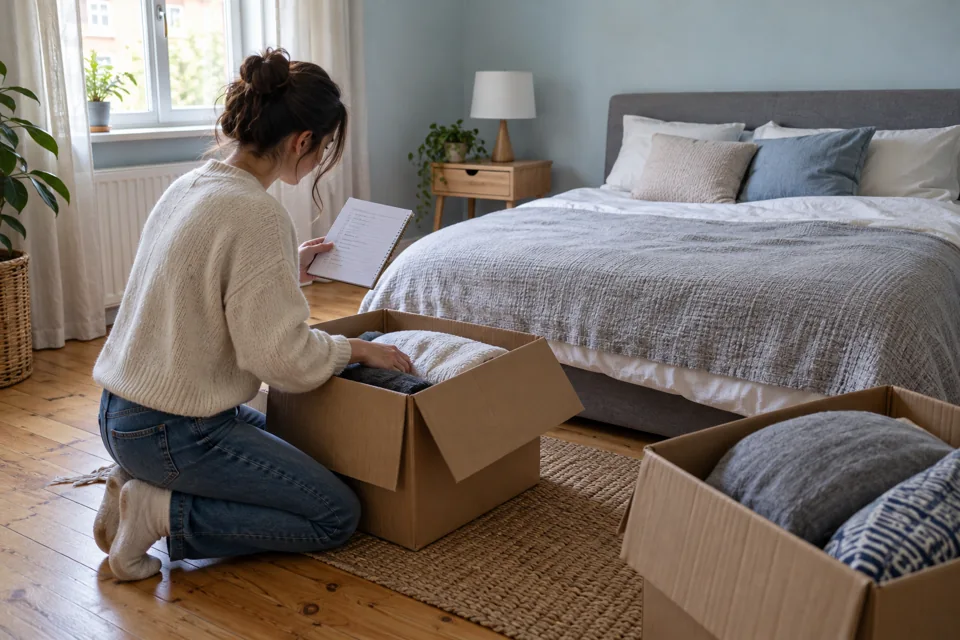
Separate personal belongings from guest equipment
Storage should be easy for you and clear to the guest. A locked cupboard helps only if sufficient space remains available for clothing, luggage and everyday use.
- Remove documents, medicines, valuables and personal devices that are not provided for guests.
- Sign out of personal accounts on televisions and shared devices.
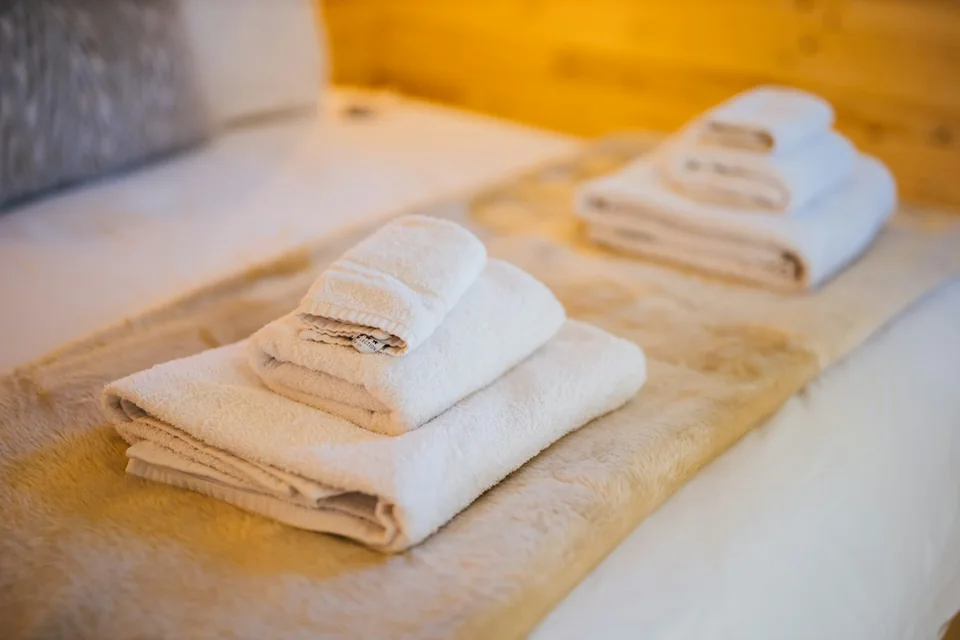
- Separate guest linen and record the available sets.
- Identify areas that remain closed without obstructing safe exit routes.
- Provide simple instructions for appliances unfamiliar to a first-time visitor.
Do not leave safety to chance. Airbnb requires safe access and action on known hazards; technical inspections and local obligations must also be considered for your property.
Plan the transition between the two uses
Write one “before we leave home” checklist and another “before the guest arrives” checklist. The first covers personal belongings and availability, while the second covers cleaning, equipment and access checks.
Measure actual preparation time with a trial. If many belongings need moving or your own presence is essential, adjust hosting frequency instead of relying on very tight turnaround times.
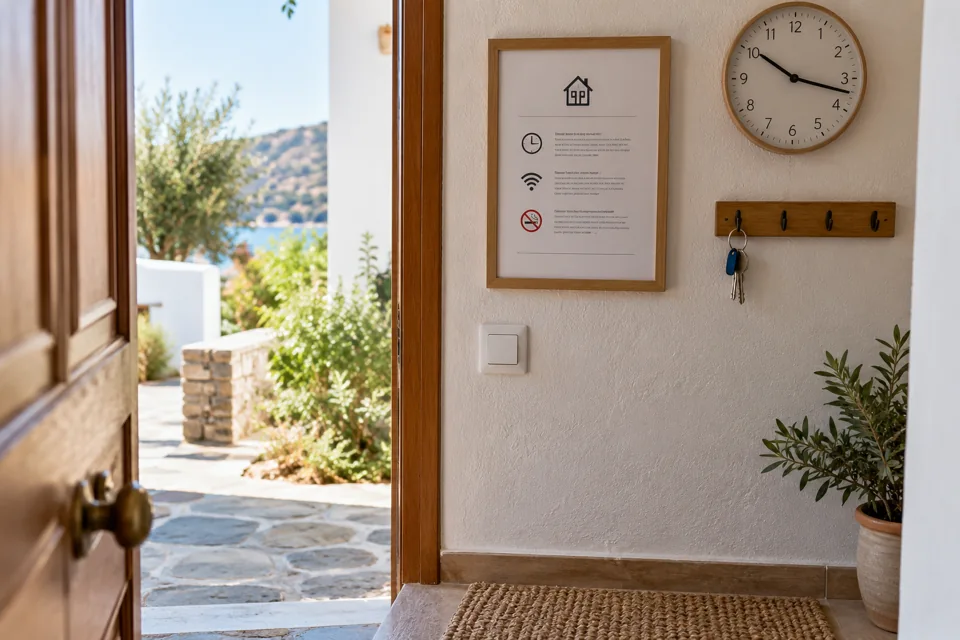
Organise cleaning and linen and agree how access is handed over whenever the use changes.
Frequently asked questions
Can I keep one room locked?
If you keep a room locked, state clearly that guests cannot use it. The description, capacity and photographs must match the spaces you actually offer. Review the relevant registration obligations separately with your accountant.
Does the home need to be completely empty?
It can retain its character. It does, however, need functional space for the guest and secure storage for anything not intended for use.
How do I decide whether conversion is worthwhile?
Consider costs, available days and the personal effort needed for preparation. A property assessment can begin with these practical constraints.